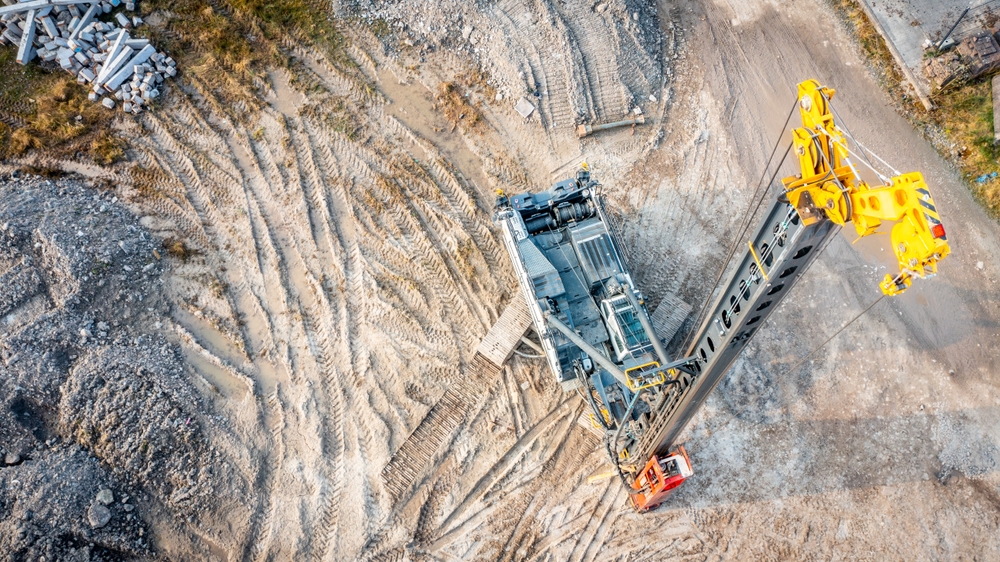

Sustainability is a top priority in contemporary building, particularly in compact urban areas like London. So, as projects get more complex, there is a greater need for more eco-friendly foundation systems. By incorporating sustainable piling methods with an efficient structural design, both environmental impact can be minimised without compromising safety and performance. It is at this point that the synergistic interaction between knowledgeable professionals becomes crucial to ensuring responsible, future-oriented construction solutions.
What is Sustainable Piling?
Sustainable piling is a type of foundation method designed to reduce environmental consequences while sustaining structural robustness. These approaches emphasise minimising carbon emissions, waste generation, and implementing energy-efficient processes.
Key objectives include:
· Lowering carbon footprint
· Reducing noise and vibration
· Minimising soil disturbance
· Using sustainable materials
Contemporary construction work has become heavily dependent on these methods to satisfy global environmental regulations.
The Importance of Structural Design for Sustainability
Piling systems are designed to be effective and efficient, and structural design is key to making sure these systems avoid environmental destruction. Engineers design the foundation considering how much space to use as a base and minimise unneeded load.
Sustainable structural design focuses on:
· Load calculations according to custom tasks: no more overdesign
· Use of materials, such as concrete and steel, efficiently
· Designing for long-term durability
· Reducing maintenance requirements
And the overall environmental impact of your project is greatly reduced because it improves design efficiency.
Types of Sustainable Piling Solutions
Multiple piling systems support sustainability goals in construction:
Mini Piling
Mini piling is also ideal for sites with restricted access as it uses smaller equipment and less material, therefore offering an eco-friendly alternative.
Bored Piling
This technique minimizes sound and vibration, making it appropriate for urban and environmentally sensitive locations.
Screw Piles
They are installed with little disturbance to the ground and can often be reused or removed to minimize their impact on the environment.
Each has distinct advantages depending on site conditions and project needs.
Lessons can be learnt on reducing Carbon Footprint from piling projects
Reducing carbon footprints is a key objective of sustainable construction. Both the piling technique and structural design play a role in this goal.
A few ways to lower your carbon footprint:
· Using low-carbon concrete alternatives
· Optimising pile depth and quantity
· Reducing transportation of materials
· Using energy-efficient machinery
Such approaches contribute to a more sustainable construction process.
Minimising Site Disruption
Representation of urban construction sites in DSO projects may also have issues with noise, vibrations and disruption in the surrounding area. These impacts can be reduced by adopting sustainable piling methods.
Benefits include:
· Reduced noise pollution
· Lower vibration levels
· Less impact on neighbouring structures
· Safer working conditions
This is especially critical in congested urban environments, where construction activity needs to be tightly controlled.
Waste Reduction and Material Efficiency
Using resources as efficiently as possible is one of the tenets behind sustainable construction. Structural engineers design foundations to consume only the quantity of material necessary, eschewing waste.
Best practices include:
· Recycling construction materials where possible
· Using prefabricated components
· Reducing excess excavation
· Reusing soil and aggregates
Not only do these measures address environmental impacts, they help to keep project costs in check.
Long-Term Durability and Performance
Sustainability isn’t exclusively about how a building was constructed, but also its long-term performance. A long-lasting foundation reduces the need for frequent repairs or replacements, helping to lower its overall environmental impact over time.
Key considerations:
· High-quality materials
· Proper waterproofing and protection
· Resistance to ground movement
· Adaptability to future changes
A strong foundation, when properly built, will last longer.
Compliance with Environmental Standards
London has strict environmental and building regulations that need to be adhered to for construction projects. These requirements can be obtained with sustainable piling and structural design.
This includes:
· Following environmental guidelines
· Meeting energy efficiency standards
· Reducing emissions and waste
· Ensuring safe construction practices
Abiding with Compliance not only saves the environment but also adds credibility to a project.
Benefits of Sustainable Construction Practices
Sustainable piling solutions and structural design have several benefits:
· Lower environmental impact
· Improved energy efficiency
· Reduced long-term costs
· Enhanced property value
· Positive reputation for developers
These advantages position sustainability as an intelligent option for contemporary construction initiatives.
The Future of Foundation Engineering
New technology will further enhance the efficiency and sustainability of all piling and structural design practices. New materials, new means of equipment as well as new types of design techniques will further minimize the environmental effect whilst achieving better performance.
The use of digital tools and smart construction practices will improve accuracy and efficiency on foundation jobs.
Building a Greener Foundation
Environmentally speaking, sustainable piling solutions, along with careful structural design and planning are at the heart of responsible construction parents in the modern world. Projects can balance these factors to achieve long-term success with goals for sustainability defined by practicalities of cost!Consulting with experienced piling contractors London and knowledgeable structural engineers London guarantees that your project will prioritize the latest eco-friendly practices without sacrificing safety or performance.